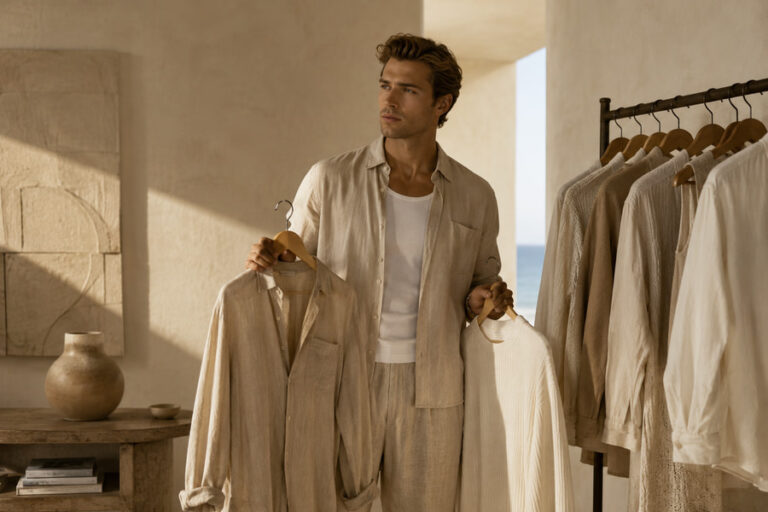
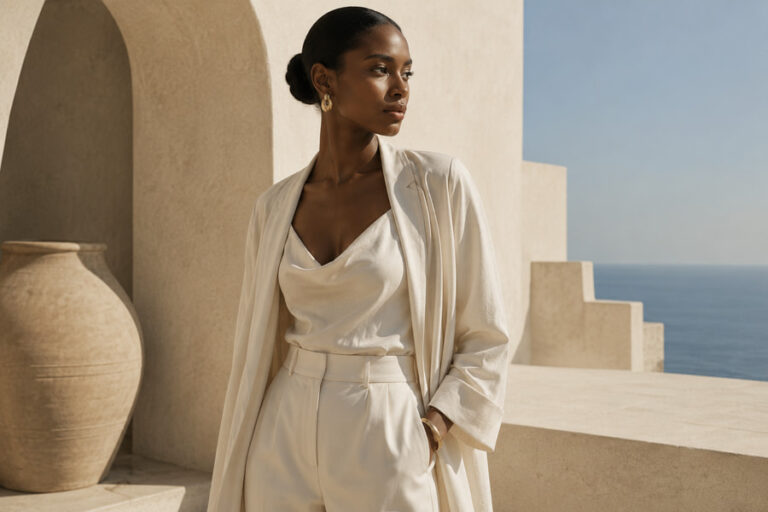
Personal wardrobe identity begins when clothing stops feeling borrowed from someone else’s life. Many closets contain attractive pieces that never feel quite right because they were chosen from trends, pressure, fantasy routines, or temporary moods. A wardrobe that looks like you should reflect your real schedule, comfort needs, preferred colors, body language, and the impression you want to create. The Building a Wardrobe That Looks Like You resource helps turn personal style from a vague idea into clearer wardrobe choices.
Study What You Wear Without Forcing It
The most honest style clues are usually found in the pieces you already reach for. Notice the shirts, trousers, shoes, jackets, and accessories that feel easy every week. Look at their colors, shapes, textures, and mood. These repeated choices reveal what feels natural. A personal wardrobe should grow from real evidence, not only from saved images or outfits that look good on someone else.
Give Your Style a Few Clear Words
Style words can make decisions easier. Refined, relaxed, sharp, romantic, minimal, artistic, sensual, classic, practical, bold, or polished are all possible directions. The goal is not to choose every word. The goal is to identify the few that feel most true. The Building a Wardrobe That Looks Like You resource helps connect those words with actual pieces, so shopping and editing become more focused.
Stop Buying for an Imaginary Week
A wardrobe becomes frustrating when it is built for a routine that does not exist. Too many occasion dresses, uncomfortable shoes, delicate fabrics, or overly formal pieces can make a closet feel full but unusable. Personal style should support the life that is actually being lived. If most days involve work, movement, errands, travel, or casual plans, the wardrobe should honor that reality instead of ignoring it.
Find Your Signature Repeats
Signature style often comes from repetition. A favorite neckline, trouser shape, shoe type, jewelry style, neutral palette, jacket cut, or fabric texture can become part of the wardrobe identity. Repetition does not make style boring. It makes it recognizable. When the same elements appear in different outfits, the overall image begins to feel more confident and personal.
Edit Pieces That Feel Like Performance
Some clothes look impressive but feel disconnected from the wearer. They may belong to an old version of life, a copied aesthetic, or a trend that never became comfortable. Editing these pieces can make the wardrobe feel lighter and more honest. The Building a Wardrobe That Looks Like You resource helps separate admiration from alignment, which is one of the hardest parts of closet editing.
Build a Closet That Reflects Real Identity
A wardrobe that looks like you should make dressing feel more direct, calm, and expressive. Notice your habits, name your style direction, and repeat the elements that feel true. For understated polish, read the Quiet Luxury Style article. For sharper professional styling, continue with the Office Siren Style article. The Building a Wardrobe That Looks Like You resource helps turn clothing into a clearer reflection of self.