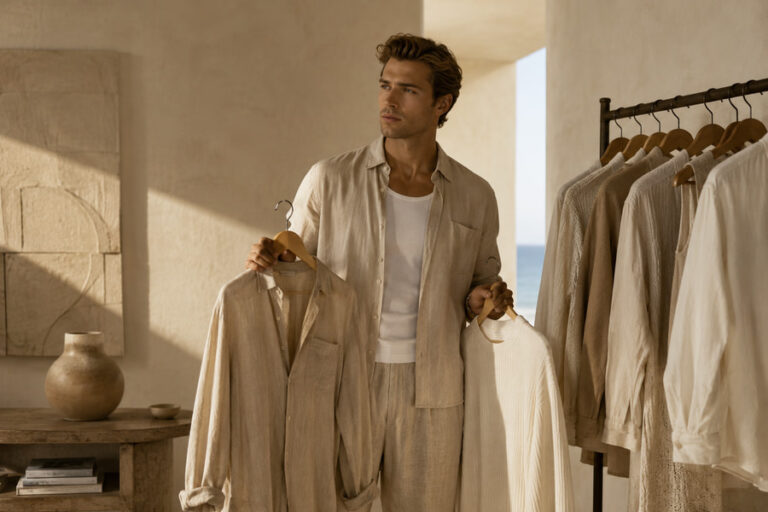
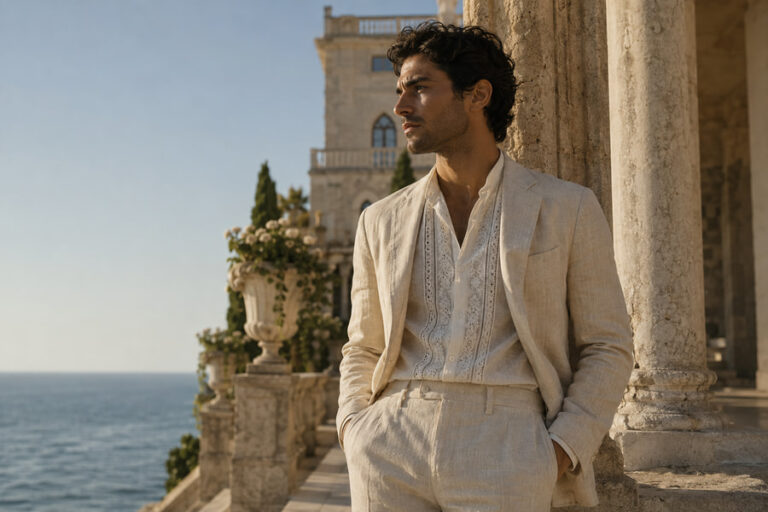
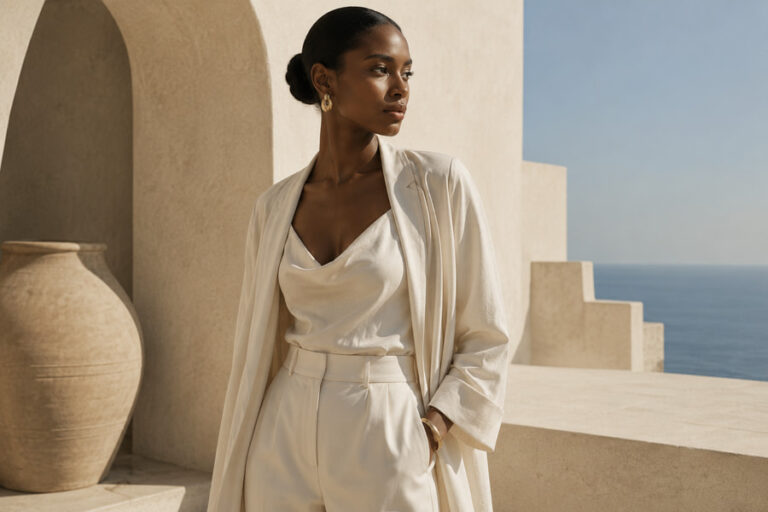
Old money style works best when it feels natural, not theatrical. The aesthetic is often associated with inherited ease, polished restraint, and clothing that looks established rather than newly performed. It is not about wearing obvious symbols of wealth. It is about choosing pieces with structure, fabric quality, calm color, and enough simplicity to last beyond one season. The Old Money Style Guide helps translate that classic visual language into a wardrobe that feels refined, wearable, and modern.
Begin With Clothes That Hold Their Shape
Old money dressing depends on clothes that keep their structure. A blazer with clean shoulders, tailored trousers, a crisp shirt, a wool coat, or a neat knit can create polish before accessories are added. These pieces do not need dramatic details. Their strength comes from proportion, fabric, and fit. When clothing holds its shape well, the outfit feels calm and intentional even when the styling is simple.
Use Color With Restraint
A restrained palette makes the aesthetic easier to repeat. Navy, camel, cream, ivory, charcoal, chocolate, forest green, black, and soft gray all belong naturally in this direction. These colors work because they combine well and rarely feel tied to a short trend cycle. The Old Money Style Guide helps make color feel like part of the wardrobe system rather than a random styling choice.
Choose Fabric Before Decoration
Fabric carries much of the old money impression. Cotton poplin, wool, cashmere, silk, linen, leather, suede, and tweed can make ordinary silhouettes feel more expensive. A plain shirt in a beautiful fabric often looks stronger than a decorative piece made poorly. This aesthetic rewards close attention. The surface should feel quiet, but the quality should be visible in the way the piece drapes, moves, and ages.
Avoid Overdoing the Reference
The easiest mistake is turning old money style into a costume. Too many pearls, scarves, loafers, blazers, and heritage references at once can feel forced. Modern elegance usually needs one or two classic signals, balanced with ease. A tailored trouser with a soft knit may be enough. A crisp shirt with worn leather loafers may say more than a full themed look. Restraint keeps the style believable.
Let Accessories Stay Useful
Accessories should support the outfit quietly. A structured leather bag, a slim belt, simple gold earrings, classic sunglasses, loafers, or a silk scarf can finish the look without making it loud. Pieces should look like they belong to real life, not only to an editorial mood. The Old Money Style Guide helps keep accessories polished, practical, and connected to the wardrobe’s larger tone.
Build a Wardrobe That Looks Established
Old money style becomes stronger when it is built slowly through fit, fabric, and care. Choose pieces that can be worn repeatedly, repaired, and styled in different seasons. For softer understated dressing, read the Quiet Luxury Style article. For traditional texture and classic references, continue with the Heritage Style article. The Old Money Style Guide helps make classic elegance feel current instead of copied.